Budget 2026 proposed an outlay of ₹250 crore for talent development in the animation, visual effects, gaming and comics (AVGC), which can be classified as “orange economy” sectors.
According to the economic survey, “orange economy” activities are driven by creativity, culture, and intellectual property. Value addition comes from the overall consumption experience rather than the actual good or service purchased. Based on this definition, media and entertainment and experiential tourism can be listed as key orange economy sectors.
Within media and entertainment, the fast-growing gaming and live entertainment segments have huge spillovers for tourism, transport and hospitality sectors: these are likely to be job creators of the future.
Live shows
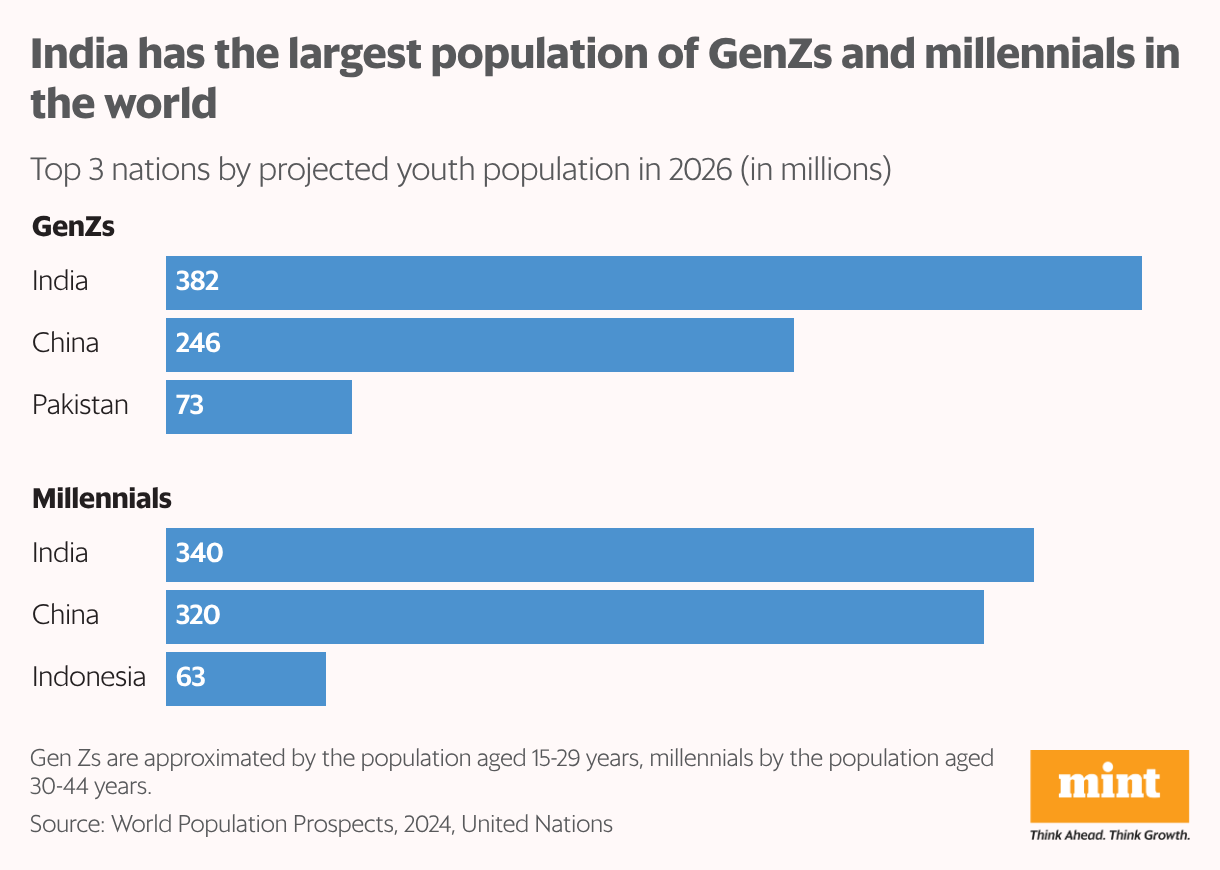
Live entertainment is a numbers game: larger the audience, bigger the economic impact. India can easily supply the vast crowds that top performers seek, for two reasons: it has the world’s largest millennial and Gen Z cohort; and many are willing to spend large amounts to see their favourite live shows.
For example, over 400,000 fans travelled from all over the country to attend Coldplay’s 2025 concerts in Mumbai and Ahmedabad. The economic impact was estimated at ₹641 crore via ticket sales, travel, hotel bookings, dining, shopping and logistics support jobs in Ahmedabad, according to EY.
More importantly, the concert effectively re-branded Ahmedabad: post-Coldplay, it is viewed as a major concert city. But to sustain the concert economy, world-class facilities will be needed in many more cities.
There is much to learn from Singapore, which has established itself as the live entertainment hub for Southeast Asia, owing to stable governance, efficient crowd management, excellent urban infrastructure, and tight security.
In contrast, large live events in India are often held in makeshift venues on public grounds, which are plagued by poor internet connectivity, limited public transport options, limited parking spaces, dirty bathrooms, and chaotic crowding.
The music might be sublime, but the experience is not. Failure to upscale infrastructure could rob us of the opportunity to benefit from the multiplier effects of live entertainment.
Online gaming
India is one of the largest mobile gaming markets in the world: over 90% of its 400-500 million gamers play on a mobile phone. 43% of our gamers are Gen Zs, 72% prefer vernacular content, and 66% reside in non-metro cities, as per India Gaming report 2025. Games that are locally developed or have locally familiar themes were among the top games downloaded in 2025.
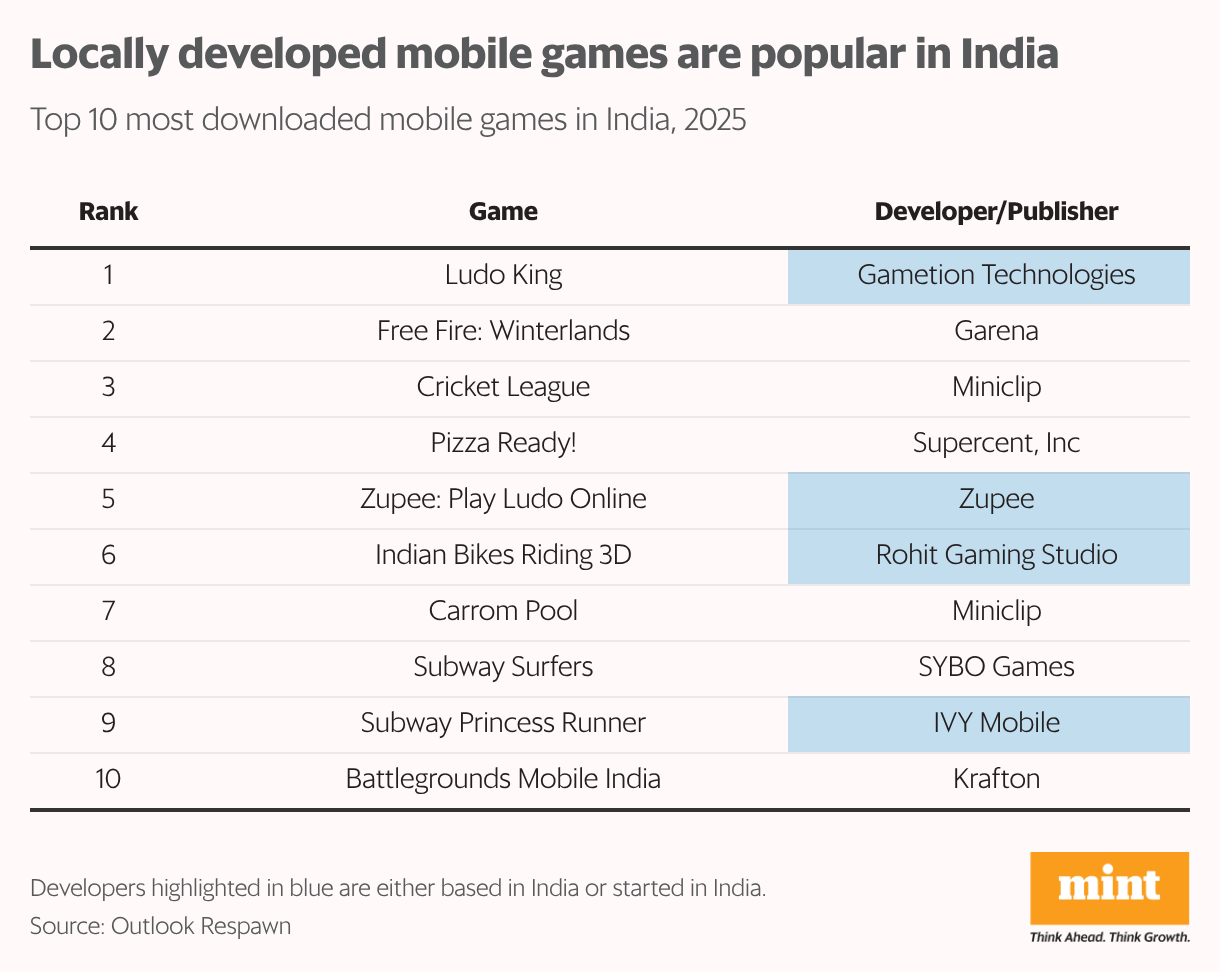
Given this profile, the economic potential of gaming can be unlocked in three broad ways. First, publishing high quality games with a cultural and emotional connect is a huge growth opportunity. Game developers can dip into our rich heritage of legends and stories, build on actual history, or simply ride on crossovers from popular culture.
Examples include Baahubali: The Game, a real-time strategy game based on the movie of the same name; Unsung empires: The Cholas 1, which gamifies the history of the Chola kings; or FAU-G, which is based on Indian military themes. Each of these games has a sizeable user base.
Second, high demand for vernacular content must go beyond translation, and move towards localized content and settings. In turn, this could boost game development centres and talent in non-metro cities.
Finally, India has nearly half a million gaming influencers who produce content in multiple formats and languages. The budget proposal to set up content creator labs in 15,000 secondary schools and 500 colleges could pave the way for fresh talents who can work with local developers to popularize made-for-India games.
Experiential tourism
In the orange economy, elements merge with one another to create unique consumption experiences. As comics, books, games and entertainment draw fluidly from each other, demand for skilled AVCG professionals (animation, visual effects, gaming and comics) will increase: the government estimates that the sector will create 2 million jobs by 2030.
Critically, there will be selective spillovers into real life, driven by consumers’ desire to experience some or all the features of the game/comic/film.
For example, the widely acclaimed Korean movie Squid Game has been made into a mobile game and has also boosted tourism: fans visit filming locations and experience the cultural elements shown in the film. This phenomenon—called experiential tourism—goes beyond passive sightseeing to offer tourists an immersive and emotionally satisfying experience.
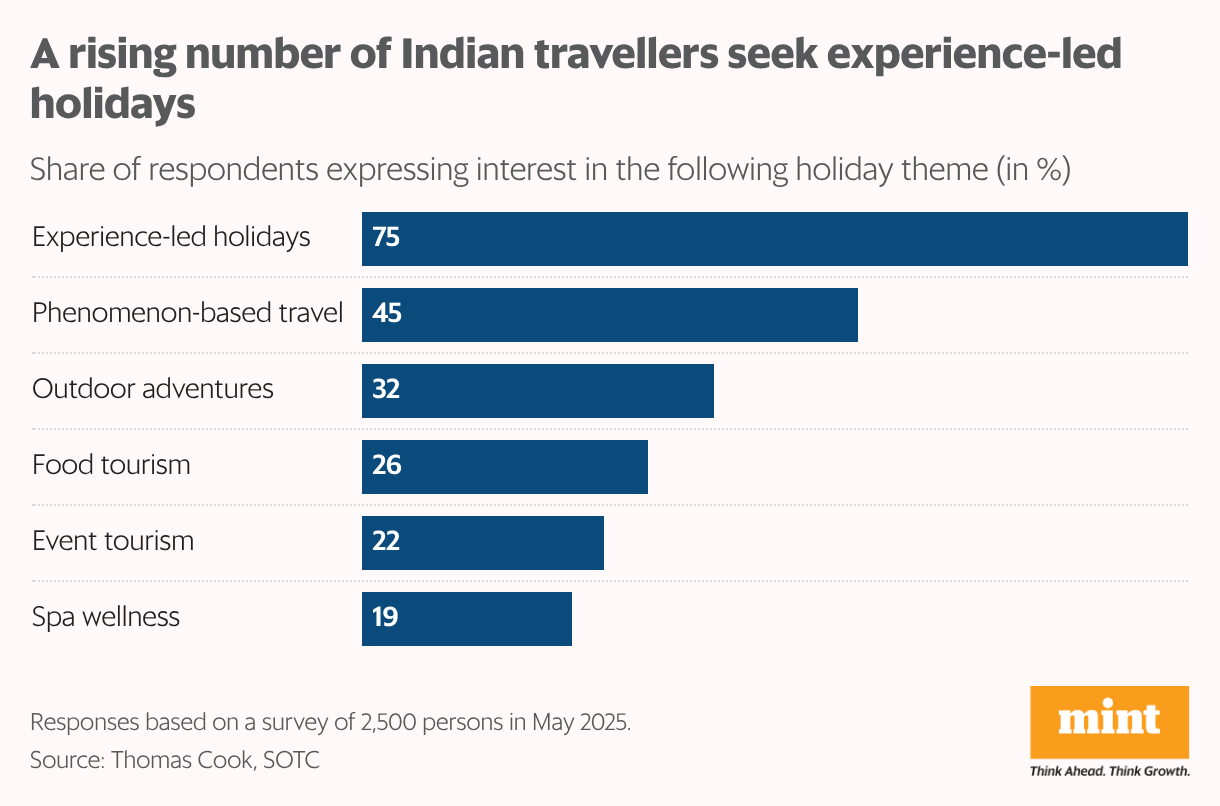
India has massive potential here, given its wealth of ancient structures, water bodies, and ecological features. Indeed, surveys show that more travellers are opting for holidays centred around events, adventure activities and local experiences. Some of the initiatives announced in the union budget, such as developing wildlife trails and Buddhist circuits, curating walkways along archaeological sites and upskilling tourist guides through a standardized high quality training program, will facilitate such experience-led tourism.
India’s bet on the orange economy is timely and essential. As consumers increasingly look for experiences rather than purchases, goods and services can no longer be sold only on the conventional attributes of price, quality, or durability. Young consumers want their consumption choices to reflect their artistic expression and world view. It is the job of policy makers and corporations to supply such options.
The author is an independent writer in economics and finance.